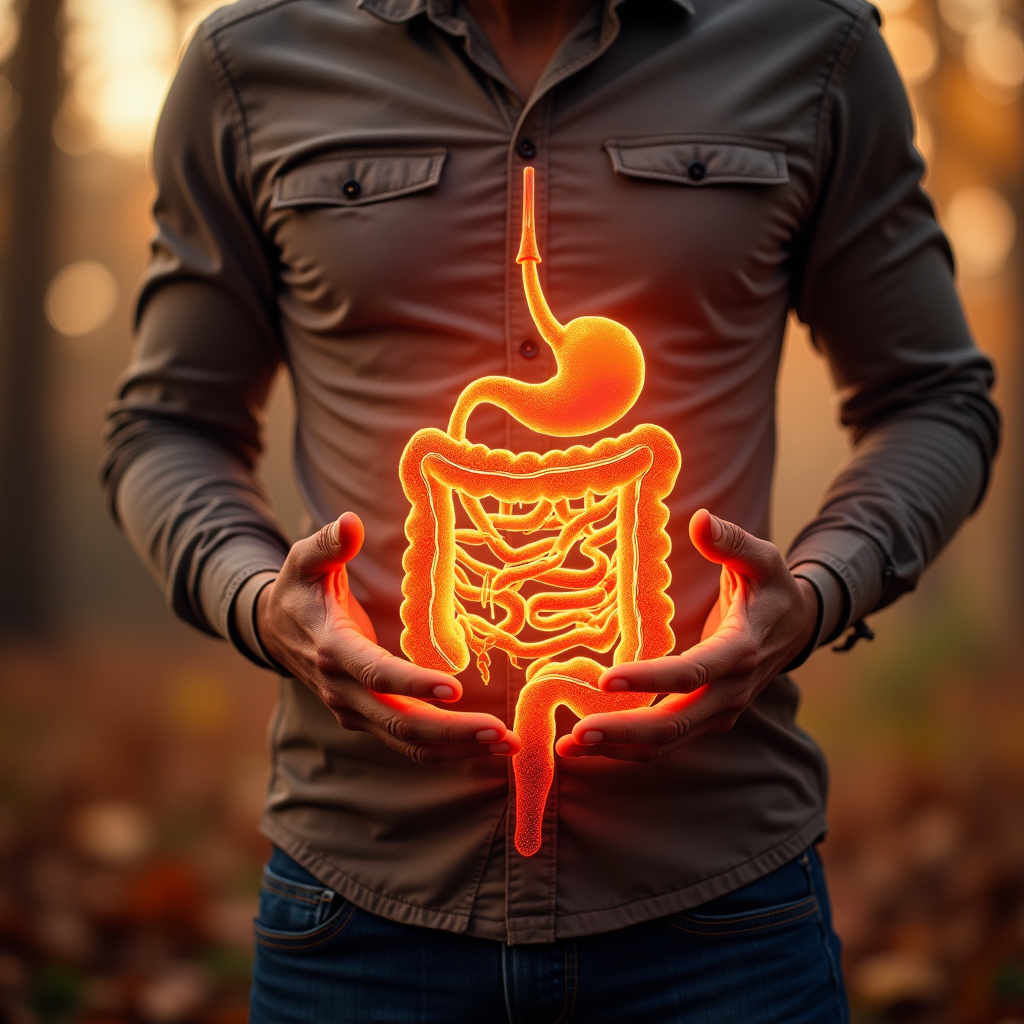
Last Tuesday, I stood in front of my fridge staring at a jar of kimchi that had been pushed to the back since early fall. The lid had a slight dome to it—fermentation doing its quiet work. I cracked it open and that sour, funky smell hit me immediately. It was so alive. That’s when the thought landed: our guts aren’t that different from that jar, packed with invisible life, and right now they’re putting in serious effort. We’re sliding into the season of heavy meals, holiday chaos, and way too much time indoors. Your digestive system does more than just handle bloat—it’s the low-key engine running your mood, your immune defenses, and how gracefully you handle that third slice of pie. I’ll be honest, I think we overlook this part constantly. We fixate on skincare routines or hitting step goals, but the trillions of microbes in our bellies? They’re pulling a lot of strings behind the scenes.
The invisible army inside you
Right now, you’re hosting something like 100 trillion bacteria in your gut. That’s not a misprint—100 trillion, which actually outnumbers your own human cells. These microbes break down fiber, crank out vitamins, and block harmful pathogens from settling in. But here’s the catch: their diversity tanks when we load up on processed junk, skip sleep, or live in a stressed-out haze. Winter makes it all worse. We crave starchy comfort foods, move less, and battle cold after cold. A 2023 Stanford study showed that just two weeks on a high-sugar diet wiped out 30% of beneficial gut strains. Think about that for a second. How many of us are really feeding our inner ecosystem what it craves? I watched a friend go through this—she brushed off months of exhaustion as “just winter blues,” until tests revealed her gut lining was inflamed from back-to-back antibiotics and lousy eating. She started working in fermented staples like kefir and sauerkraut. The turnaround wasn’t overnight, but by spring she wasn’t dragging herself out of bed anymore.
Why your mood might be a gut feeling
Have you ever felt anxious and couldn’t pinpoint why? Your gut could be murmuring—or flat-out yelling. There’s a nerve called the vagus that runs straight from your brainstem down to your abdomen, a direct line. Roughly 90% of your serotonin, the chemical linked to feeling good, gets made in your gut. Not in your skull. Let that settle for a moment. When the microbiome is out of whack, signals get crossed. I’m not claiming a spoonful of yogurt will cure depression, but pretending this connection doesn’t exist is like ignoring a check-engine light on your dashboard. During this time of year, with less sun and more social pressure, our mental resilience takes a hit. Could a calmer mind really start in your kitchen instead of the pharmacy aisle? I’ve felt it myself—after a week of traveling and eating sad airport meals, my thoughts turn foggy and my patience wears thin. A few days of oats, lentils, and pickled vegetables, and the haze starts to lift. It isn’t magic; it’s just microbiology doing its thing.
Building resilience, one bite at a time
You don’t need some extreme cleanse or a $50 bottle of probiotics from a chic boutique. Start simple. Fiber is what your gut loves most—beans, apples, oats, artichokes. Try to eat 30 different plant foods across the week. That sounds wild, but it’s doable: spices, nuts, seeds, and veggies all count. I started keeping a running list on my phone, and honestly, it’s kind of satisfying to hit 20 by Wednesday. Polyphenols—found in dark chocolate, green tea, and berries—work like fertilizer for the good bacteria. And fermented foods? They’re the live reinforcements. Kimchi, miso, yogurt, kombucha. But here’s a practical heads-up: don’t go too hard too fast. I once interviewed a patient who chugged a full bottle of kombucha every day and wound up painfully bloated. Her doctor chuckled and told her, “Your gut isn’t a frat party—ease it in.” So, what’s one small swap you could make this week? Maybe white rice becomes barley, or you stir a spoonful of sauerkraut into your morning eggs.
The season of slow repair
Winter isn’t just a season of depletion—it’s a window to rebuild. Our ancestors got through the cold months on fermented stores and root vegetables. They didn’t have a clue about microbiomes, but their bodies knew the rhythm. Now we’ve got the science to confirm it. Sleep acts as a gut healer too—just one night of poor rest can nudge your microbial balance off track. Even a 15-minute walk after dinner kickstarts digestion. I’m not some model of consistency here. Last week I stayed up way too late bingeing a show and ate cold leftover pizza for breakfast. My stomach felt like a cinder block. The next day, though, I made a pot of lentil soup, got to bed early, and things reset. That’s what’s great about the gut: it forgives you, if you pay attention. As the holidays barrel toward us with their noise and overindulgence, keep in mind that your gut is your quiet partner in all of it. Treat it decently, and it’ll give back in energy, steadier moods, and maybe fewer sniffles. Who wouldn’t sign up for that?