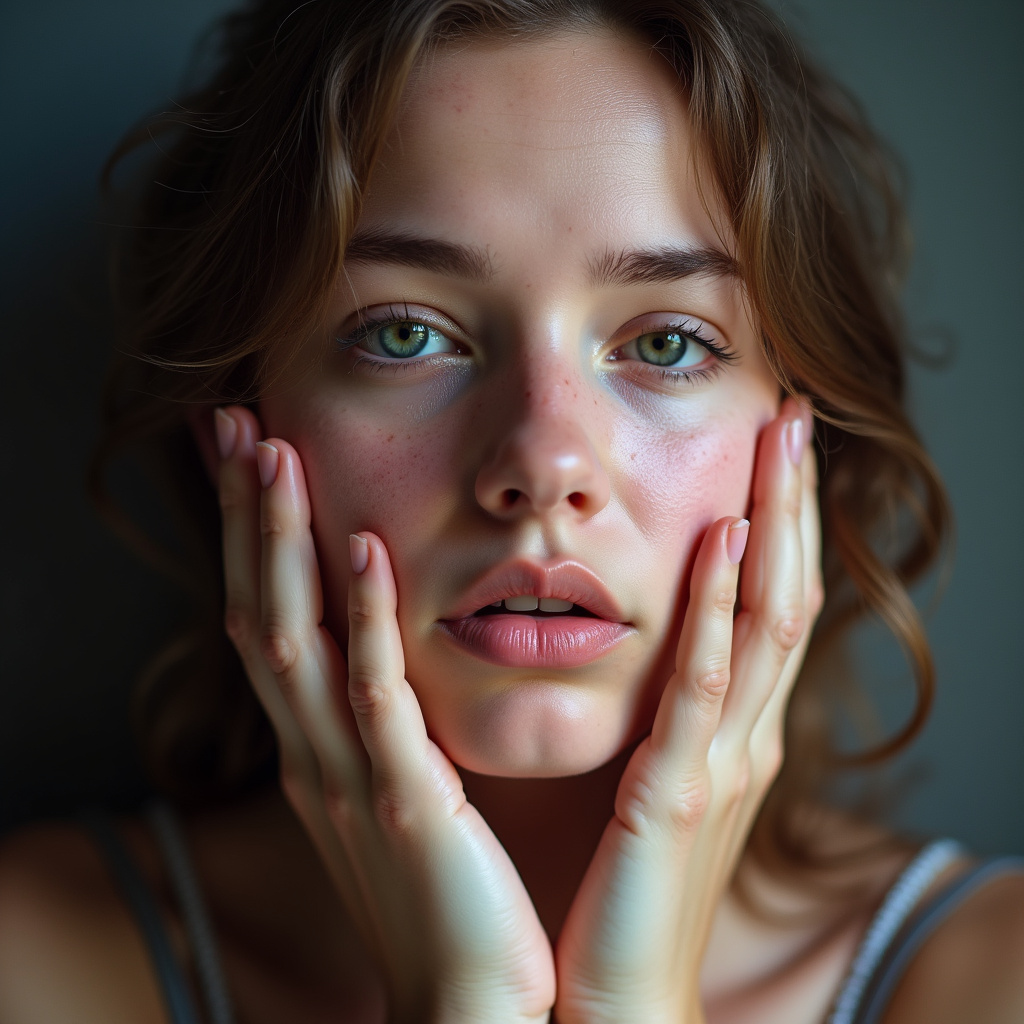
Your skin is freaking out. Again. You’ve tried the creams, the serums, the weird diet where you only eat things that are beige. Nothing works. And here’s the thing—maybe it’s not your face wash. Maybe it’s your brain.
The stress breakout isn’t in your head. Well, it is. But not like that.
You know that feeling when you’re about to give a presentation and suddenly your chin looks like a pepperoni pizza? That’s not a coincidence. When you’re stressed, your body pumps out cortisol like it’s going out of style. Cortisol tells your oil glands to go into overdrive. More oil, more clogs, more acne. It’s a direct line from your frazzled nerves to your face. But here’s what I find wild: it’s not just about pimples. Eczema, psoriasis, rosacea—they all flare when your mind is in turmoil. A 2014 study in the Archives of Dermatological Research found that people with psoriasis who practiced mindfulness meditation saw their lesions clear up faster than those who didn’t. Faster. Just from sitting still and breathing. Honestly, I think we underestimate how much our skin is eavesdropping on our thoughts.
Why does a bad day at work show up on your cheeks? Because your skin and your brain are basically twins separated at birth. They come from the same embryonic cells. They share nerve endings and chemical messengers. So when your brain is screaming, your skin hears it loud and clear. It’s like a group chat you can’t mute. You’re anxious, so your skin gets inflamed. You’re depressed, so your skin barrier weakens. It’s not being dramatic—it’s biology.
The itch-scratch cycle of doom
Let’s talk about itching. If you’ve ever had eczema, you know the drill. You itch. You scratch. It gets worse. You itch more. It’s a loop from hell. But here’s the kicker: stress lowers your itch threshold. So things that normally wouldn’t bother you suddenly feel like ants crawling all over your arms. I’ve seen friends scratch until they bleed, and they’ll swear it’s just the dry air. But ask them what’s going on at work or in their relationship, and suddenly the real trigger emerges. It’s not the wool sweater. It’s the looming deadline. The skin is just the messenger. And what a brutal message it delivers.
Can you really think your way to clearer skin? Sort of. It’s not magic. You can’t just positive-vibe your psoriasis away. But you can calm the nervous system so your skin stops getting those panicked signals. Things like deep breathing, therapy, even just petting a dog—they lower cortisol. And lower cortisol means less inflammation. It means your skin can finally take a breath. One woman I interviewed for a piece last year had struggled with cystic acne for a decade. Antibiotics, Accutane, nothing stuck. Then she started seeing a therapist for anxiety, and within six months, her skin was clear. She didn’t change a single product. She just changed her mental landscape. That’s not a fluke.
When your skin makes you hide
Now flip it. It’s not just that your mind messes with your skin. Your skin messes with your mind right back. Having a visible skin condition can tank your self-esteem. You cancel plans. You avoid mirrors. You wear makeup to the gym. And that isolation? It feeds the stress. Which feeds the flare. Which feeds the isolation. See the trap? It’s a perfect, terrible circle. And breaking it often means addressing both sides at once. A dermatologist I know in Chicago always asks her acne patients about their social lives. She says you can’t treat the face without treating the feelings. Smart woman.
So what do you actually do about it? Start small. Notice when your skin flares and ask yourself: what was I feeling right before? Not what you ate or what product you used. What you felt. Journal it. You might see a pattern. And then, instead of buying another $80 serum, maybe spend that money on a few therapy sessions. Or a yoga class. Or just a damn nap. I’m not saying ditch your dermatologist. Please don’t. But add mental health to your skincare routine. Think of it as an inside-out moisturizer.
Your skin isn’t just a covering. It’s a diary. And sometimes the story it’s telling isn’t about allergens or hormones—it’s about heartbreak, burnout, grief. Listen to it. It might be smarter than you think.