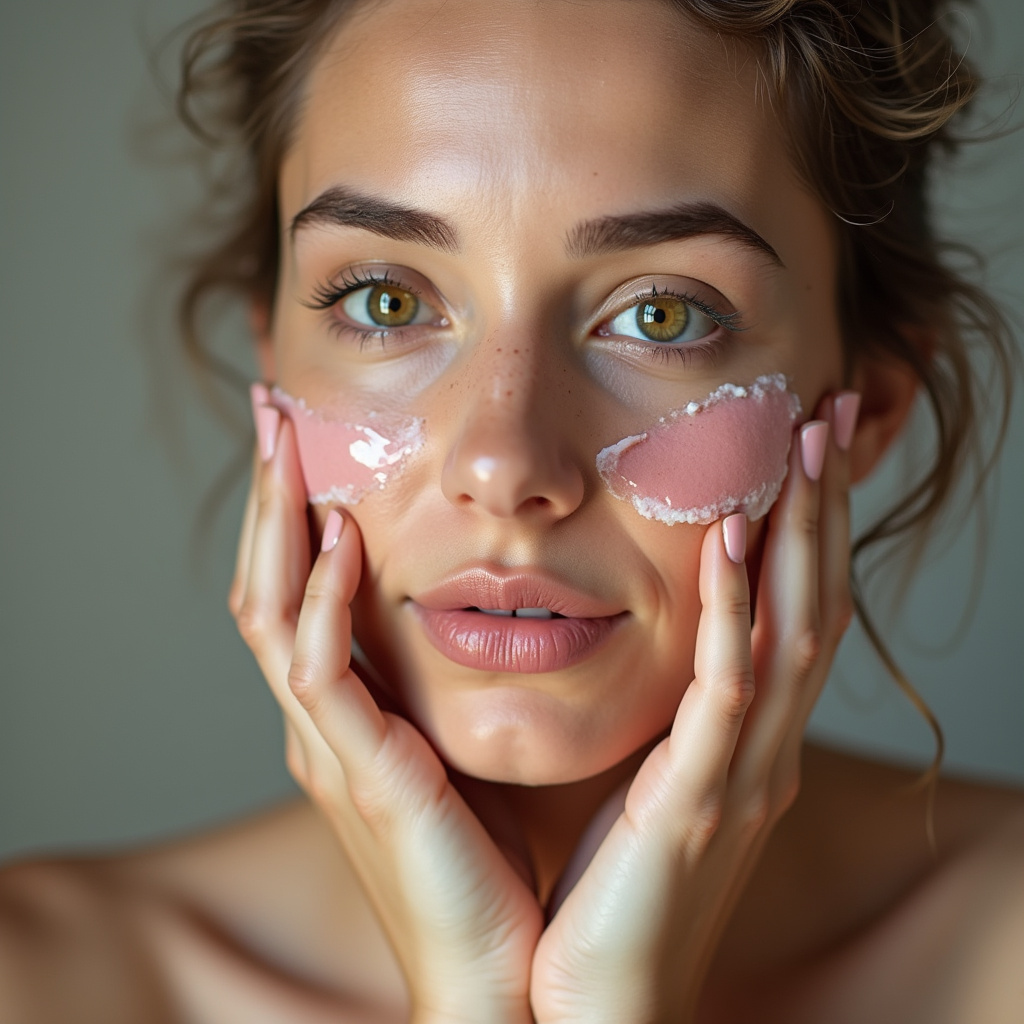
I stared at my bathroom shelf last Tuesday morning—seven products before 8 a.m. Moisturizer, serum, foundation, mascara, lipstick, setting spray, perfume. And I had no idea what was actually in any of them. Not a clue. We slather this stuff on our skin, the body’s largest organ, without a second thought. But here’s the uncomfortable truth: many everyday beauty products contain chemicals linked to hormone disruption, cancer, and skin irritation. And they’re perfectly legal.
What’s Hiding in Your Makeup Bag?
Parabens, for instance. These preservatives stop mold and bacteria from growing, which sounds helpful—until you find out they can mimic estrogen in the body. A 2004 study in the Journal of Applied Toxicology detected parabens in breast cancer tissue, and that set off alarm bells about their possible role in tumor growth. You’ll spot them in foundations, mascaras, moisturizers—often listed as methylparaben or propylparaben. Then you’ve got phthalates. They make fragrances stick around longer, but they’re known endocrine disruptors. The FDA doesn’t regulate them in cosmetics, by the way. And formaldehyde? Yeah, that embalming chemical. It can get released by preservatives like DMDM hydantoin. I still wonder how any of this is allowed in stuff we use every single day.
Your Skin Is Drinking It In
We tell ourselves it’s just a tiny amount. A dab of cream, a swipe of lipstick—what’s the harm? But get this: your skin absorbs up to 60% of what you put on it. Some chemicals go even deeper. The Environmental Working Group estimates the average woman uses 12 personal care products daily, exposing herself to 168 unique chemicals. Men don’t get a free pass either—they’re using about half that number. Honestly, I find this part often gets ignored: it’s not one product in isolation, it’s the cocktail effect. Nobody tests how these chemicals interact once they’re mixed together on your skin. And they’re everywhere. Shampoo, deodorant, lotion. We’re basically marinating in the stuff.
Labels That Lie to Your Face
Here’s something that drives me up the wall: the word “fragrance” can hide up to 3,000 different chemicals, plenty of them phthalates. Companies don’t have to list them because they’re considered trade secrets. So you might grab a “natural” deodorant that still contains synthetic fragrance without realizing it. “Hypoallergenic” is meaningless—there’s zero legal definition behind it. “Dermatologist tested” just means a dermatologist happened to be in the room, not that the product met any real safety bar. I once interviewed a cosmetic chemist who told me she never trusts front-label claims. She reads the ingredients list like a detective. We should all do that. But honestly, who has time to decode a string of polysyllabic chemical names before their morning coffee?
Safe Swaps That Actually Work
You don’t need to throw everything out and live like a hermit. Begin with the stuff you reach for most. For moisturizer, look for ones built on shea butter, jojoba oil, or aloe vera. Brands like Weleda and Dr. Hauschka were doing clean beauty long before it became trendy. For makeup, peek at Ilia or RMS Beauty—they skip the parabens and phthalates and actually hold up performance-wise. I switched to a mineral sunscreen with zinc oxide after my dermatologist pointed out that chemical sunscreens were giving me rashes. It’s thicker, sure, but my skin is noticeably calmer now. Deodorant? Native and Schmidt’s lean on baking soda and essential oils instead of aluminum compounds. Your body might need a week to adjust, but the switch is worth it.
But Is “Clean” Just Another Marketing Gimmick?
Walk into Sephora and “clean” sections are everywhere. The word has turned into a buzzword, and some brands are cashing in without making real changes. Greenwashing runs rampant. A product labeled “paraben-free” might still contain formaldehyde releasers. “Organic” splashed on the front doesn’t mean the ingredients are 100% organic. The beauty industry mostly regulates itself, which is a bit like asking a fox to guard the henhouse. So what do you do? I lean on third-party certifications like EWG Verified or MADE SAFE. They’ve done the digging for you. Apps like Think Dirty let you scan barcodes and pull up ratings instantly. Technology is finally catching up to our hunger for transparency.
Small Changes, Big Impact
No need to overhaul your whole routine overnight. That gets expensive and overwhelming fast. Pick one product—maybe your daily lotion or that lipstick you love—and find a safer version next time it runs out. Notice how your body reacts. Fewer headaches? Less acne? It’s not some miracle cure, but it’s a real start. The beauty industry won’t budge until we vote with our wallets. And keep in mind, the skin you’re in matters more than a pretty package. It’s the only one you’ve got.