The Factory Floor Just Got a New Coworker
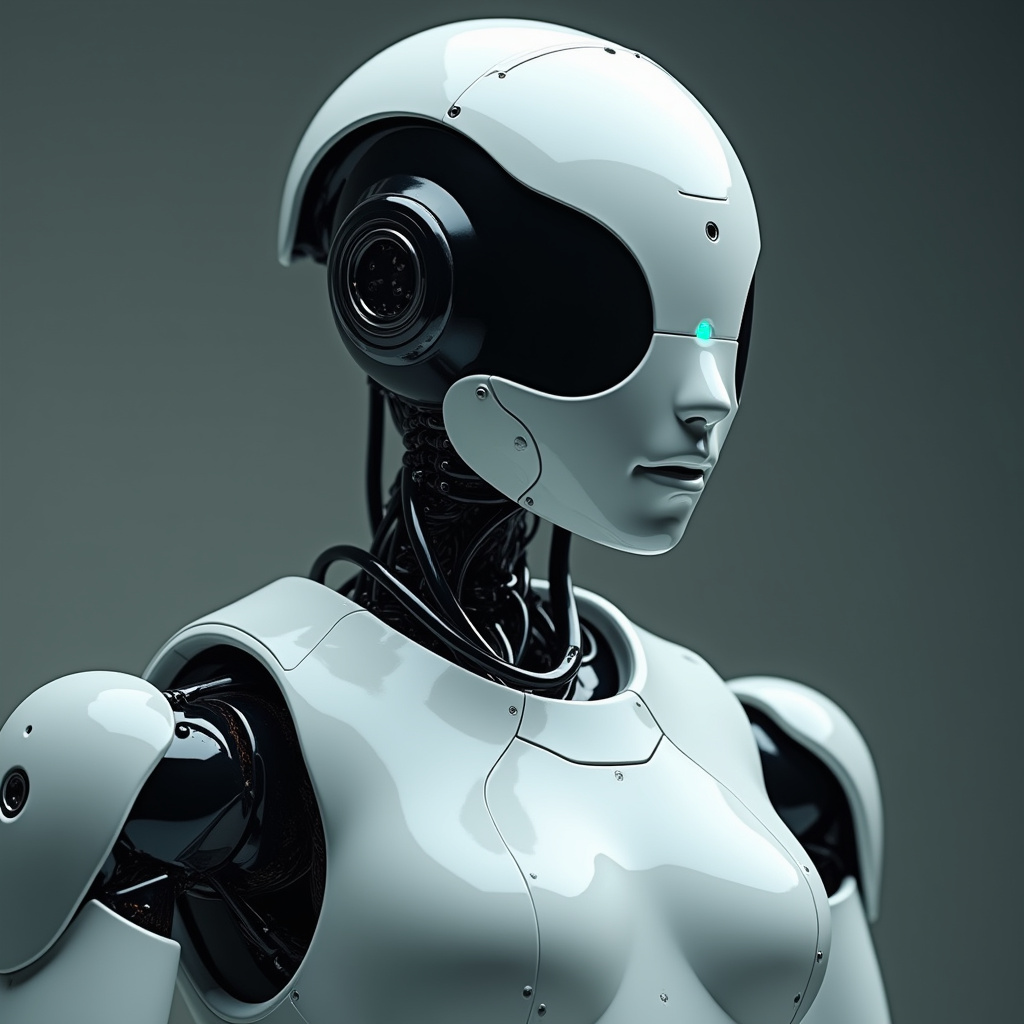
Picture this. It’s 3 AM in a sprawling Amazon warehouse. The place hums with the sound of conveyor belts. But something’s different. A 5-foot-8 humanoid robot, all smooth white plastic and glowing blue eyes, glides between shelves. It reaches out, grabs a box with startling precision, and places it on a cart. No coffee breaks. No complaints. Just work. I saw a demo video last week and honestly, it made the hair on my arms stand up. We’re not talking about clunky sci-fi props anymore. These things are real.
Why Now? The Perfect Storm
So why are the giants—Amazon, Google, Tesla, Microsoft—suddenly obsessed with building artificial people? It’s not just one reason. It’s a collision of three trends. First, the tech is finally ready. AI vision systems can now recognize a coffee mug from any angle, in any light. Batteries last a whole shift. Motors are cheap and strong. Second, the labor market’s a mess. Have you tried hiring a warehouse worker lately? Turnover is brutal. Robots don’t quit. Third, the pandemic rewired our brains about automation. Suddenly, a machine that can’t get sick looks like a smart investment. It’s the perfect storm.
The Money Pit That Might Just Pay Off
The numbers are staggering. Amazon invested in Agility Robotics, creators of Digit, a bipedal bot that can crouch and lift 35 pounds. Tesla’s Optimus prototype—which Elon Musk claims will one day cost less than a car—is already sorting objects at a factory. Google’s parent Alphabet spun off Intrinsic to focus on robot software. And Microsoft? They’re backing multiple startups through their AI ventures. Billions. With a B. Why? Because the potential market is every factory, every warehouse, every retail store on the planet. Even if they capture 1% of that, it’s trillions. Is it a gamble? Sure. But when you’re sitting on mountains of cash, you can afford to roll the dice on the next big thing.
But They Look So… Awkward
Let’s be real. Most humanoid robots today walk like they’re wearing a really heavy backpack. The fluidity isn’t there yet. Boston Dynamics’ Atlas does backflips, sure, but that’s a research project with a price tag higher than a Lamborghini. The challenge is making them reliable and cheap. I once saw a prototype trip over a cable and faceplant—the crowd gasped, then laughed nervously. We’re still in the ugly duckling phase. But here’s the thing: computers used to fill entire rooms. Now they fit in your pocket. Give it a decade. These awkward metal teenagers will grow up fast.
The Hidden Reason Nobody Talks About
Here’s my slightly cynical take. Big Tech isn’t just selling robots. They’re selling data. Every time a humanoid bot navigates a living room or a factory floor, it’s hoovering up information. The layout of your home. The way you organize your tools. The rhythm of a workday. That data is pure gold for training even smarter AI. Amazon doesn’t just want a robot that moves boxes; it wants a robot that understands the chaos of a messy warehouse. And that understanding comes from millions of hours of real-world experience. Think about it: are we just building helpers, or are we building the ultimate surveillance platform that happens to have legs?
What Happens to Us?
I won’t sugarcoat it. This scares people. And it should. If a $20,000 robot can replace a $40,000-a-year worker, the math is brutal. But history shows technology creates new jobs too. The guy who fixes the robots. The woman who trains them. The team that designs the next version. Still, the transition will be messy. My neighbor works at a distribution center. He’s 54. What does he do when a tireless machine takes his spot? We need to have that conversation now. Not in 10 years when it’s too late. Can we build a future where these machines amplify us instead of replace us?
The Bottom Line
Look, I’m both excited and terrified. Watching a humanoid robot gently hand a tool to a factory worker feels like magic. But the same tech could leave millions behind. Big Tech is pouring billions into this because they see a world where labor is abundant, cheap, and scalable beyond human limits. They’re building the infrastructure for the next century. Whether that’s a utopia or a dystopia depends on choices we make today. The robots are coming. They’re already here, actually, in a few hundred warehouses and labs. The question isn’t if they’ll change everything. It’s how we’ll change with them.