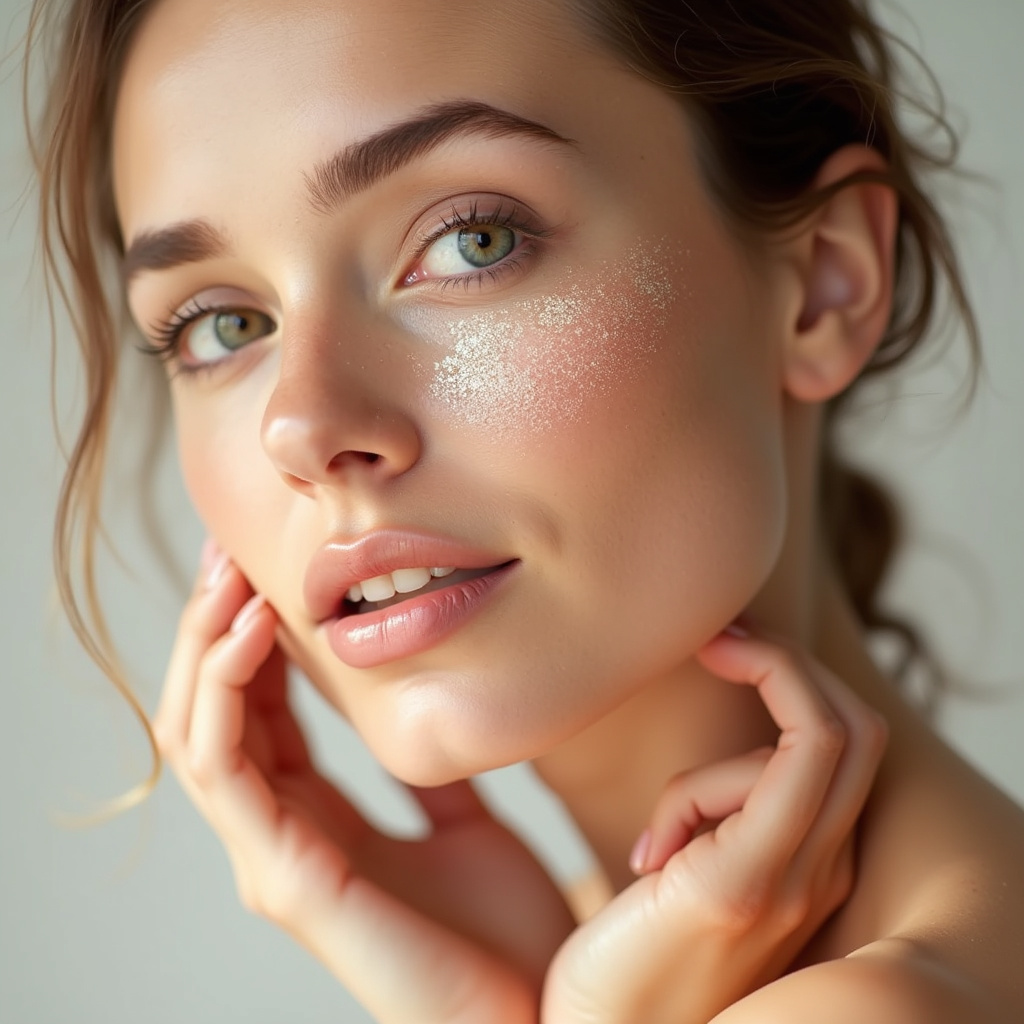
What is Tretinoin?
Tretinoin, a derivative of vitamin A, is a powerful topical medication primarily used to treat acne. Over the years, it has gained immense popularity for its multiple skin benefits, making it a go-to option for anyone seeking clear, radiant skin. In this guide, we’ll explore what tretinoin is, how it works, its benefits, and how to incorporate it into your skincare routine.
How Tretinoin Works
Tretinoin works by increasing cell turnover, which means it helps your skin shed dead cells more quickly and encourages new cell growth. This process not only helps to unclog pores but also reduces the appearance of fine lines, dark spots, and uneven skin tone. Essentially, it promotes healthier skin from the inside out.
Benefits of Tretinoin
Using tretinoin can lead to a range of skin improvements. Here are some of the most notable benefits:
- Treats Acne: Tretinoin is effective in preventing new breakouts and treating existing acne.
- Reduces Fine Lines: Regular use of tretinoin can minimize the appearance of fine lines and wrinkles.
- Improves Skin Texture: It helps to smooth out rough patches and promotes an even skin texture.
- Fades Hyperpigmentation: Tretinoin can help lighten dark spots and other forms of hyperpigmentation.
- Enhances Skin Radiance: With improved cell turnover, your skin will look fresher and more radiant.
How to Use Tretinoin
Incorporating tretinoin into your skincare routine requires some care to ensure optimal results while minimizing side effects:
- Start Slowly: If you’re new to tretinoin, start with a lower concentration (0.025%) and use it every other night to allow your skin to adjust.
- Apply at Night: Tretinoin is best used at night since it can make your skin more sensitive to sunlight.
- Cleanse and Dry: Wash your face gently and wait for about 20-30 minutes before applying tretinoin to avoid irritation.
- Pea-Sized Amount: Use only a small, pea-sized amount for your entire face to avoid overapplication.
- Moisturize: Follow up with a good moisturizer to help combat dryness and irritation.
Possible Side Effects
While tretinoin is effective, it can cause some side effects, especially when you first start using it. Common side effects include:
- Dryness
- Redness
- Peeling or flaking
- Increased sensitivity to sunlight
These effects usually diminish over time as your skin adjusts. If you experience severe irritation, it’s best to consult with a dermatologist.
Who Should Use Tretinoin?
Tretinoin is suitable for various skin types, but it’s particularly beneficial for those who struggle with acne, signs of aging, or uneven skin tone. However, it’s not recommended for pregnant or breastfeeding women, as it may pose risks to the baby. Always consult a healthcare professional before starting any new skincare treatment.
Conclusion: Your Path to Clear Skin
As we move into 2026, tretinoin remains a highly regarded option in the realm of skincare. Its proven effectiveness in treating acne and improving overall skin texture makes it a staple for many. By following the right application methods and being patient with your skin, you can achieve the clear, glowing complexion you desire. Remember, skincare is a journey, and with the right tools like tretinoin, you’re well on your way!