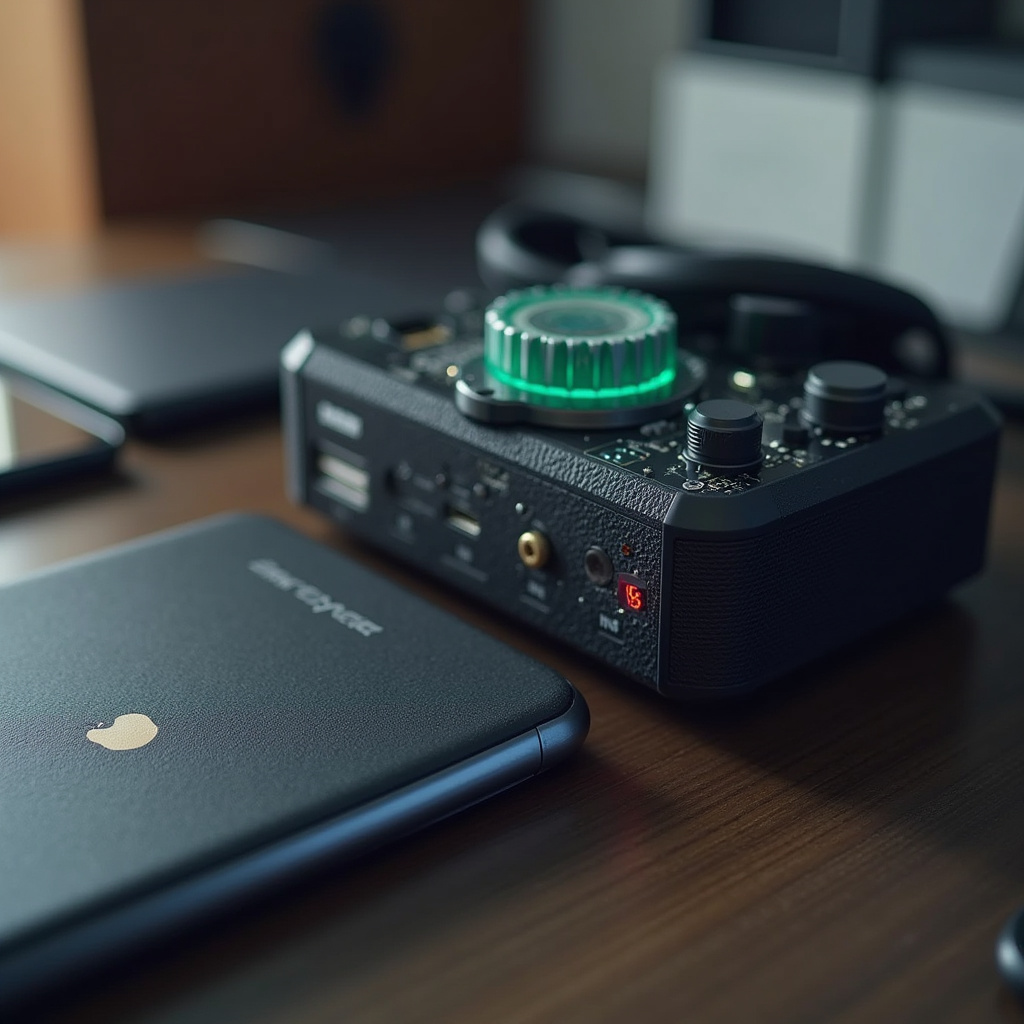
I remember staring at my new microwave. It had a touchscreen, Wi-Fi, and an app that promised to “revolutionize my cooking experience.” But all I wanted was to reheat some leftover pasta. Thirty minutes later, after a software update and a failed Bluetooth pairing, I gave up and used the stovetop. Sound familiar? We’ve all been there—drowning in features we never asked for, on devices that seem to think they’re smarter than us. And that’s exactly why “dumb tech” is making a comeback. Honestly, most people overlook this quiet rebellion against complexity. But it’s real, and it’s picking up steam.
Think about the last time you bought a gadget. Did you actually read the 200-page manual? Of course not. You just wanted it to work. Take my friend Lisa, a busy mom of three. She recently swapped her smart fridge—the one with a built-in screen that tweeted—for a basic, no-frills model. “It kept showing me ads for yogurt,” she laughed, “and I just needed it to keep milk cold.” Her story isn’t unique. Across the board, people are craving devices that do one thing, and do it well, without demanding constant attention. Why should a toaster need a firmware update? It shouldn’t. Yet here we are, in a world where even light bulbs have IP addresses.
The Beauty of a Single Button
There’s a profound elegance in simplicity. I once bought a portable radio for a camping trip—no Bluetooth, no touchscreen, just a dial and a speaker. Turning it on felt like a ritual: the click of the switch, the static hiss, then music. It was liberating. No notifications, no distractions. Compare that to my smartphone, which buzzes every five minutes with something “urgent” (usually a sale on socks). Dumb tech doesn’t try to be everything. It just is. And in an age of constant connectivity, that’s a breath of fresh air. Have you ever felt that relief when you power down your phone for a weekend? That’s the dumb tech promise, bottled up in a gadget.
But it’s not just about nostalgia. Sure, we might romanticize the old iPod click wheel or a chunky Game Boy, but there’s a practical side too. Simpler gadgets are often more durable. My dad still uses a flip phone from 2008. It’s been dropped in a lake, run over by a lawnmower, and chewed by a dog—yet it still makes calls. Try that with a glass-slab smartphone. Plus, dumb tech tends to be cheaper. You can buy a basic e-reader for the price of a fancy dinner, and it’ll last years without obsolescence. No planned slowdowns, no “you must update to continue” pop-ups. Just pure, unadulterated function.
When Smart Gets Too Clever
Let’s talk about the dark side of smart devices. They’re needy. They demand updates, passwords, and your Wi-Fi password (again). They collect data—lots of it. Remember that story about a smart TV that recorded private conversations? Creepy, right? I don’t want my vacuum cleaner mapping my home and selling that data to advertisers. But that’s the trade-off we’ve accepted. Dumb tech, by contrast, is a vault. It doesn’t know who you are, and it doesn’t care. It won’t leak your secrets because it has none to keep. In a world of data breaches and surveillance, isn’t there a certain appeal to a device that’s blissfully ignorant? I think so.
This shift isn’t just a fringe movement. Big companies are noticing. Look at the reMarkable tablet—a digital notepad that feels like paper. No apps, no email, no distractions. It’s wildly popular among writers and students who need focus. Or consider the rise of “dumb” fitness trackers that only count steps and heart rate, skipping the social media integration. Even in audio, cassette tapes and vinyl records are surging. Why? Because they offer a tangible, limited experience. You can’t skip a song on a cassette with a button; you have to fast-forward, listen to the whir, and wait. It forces you to engage. How many of us have lost the ability to just listen to an entire album without shuffling? Dumb tech gives that back.
The Joy of Not Being Connected
I’ll admit, I’m a sucker for a good gadget. But last year, I bought a mechanical watch. No batteries, no screens, no syncing. Winding it each morning is a small, meditative act. It doesn’t track my steps or buzz with texts; it just tells time. And you know what? That’s enough. My stress levels dropped because I wasn’t constantly glancing at a wrist-sized distraction. This is the hidden superpower of dumb tech: it creates boundaries. We’re so used to being always-on that we forget the luxury of being unreachable. A simple camera lets you focus on framing a shot, not on uploading to the cloud. A basic MP3 player lets you enjoy music without a subscription service nagging you. Are we finally waking up to the fact that “smarter” doesn’t always mean better?
Of course, I’m not saying all smart tech is evil. My smartphone is a miracle—I can video call my family across the ocean, navigate strange cities, and capture memories. But the pendulum swung too far. We started adding screens to everything, from refrigerators to water bottles, and forgot to ask: does this actually improve my life? Often, the answer is no. The rise of dumb tech is a correction, a collective sigh of relief. It’s choosing a tool that serves you, not one that demands to be served. So next time you’re shopping, consider the humble, unconnected option. It might just be the smartest choice you make.