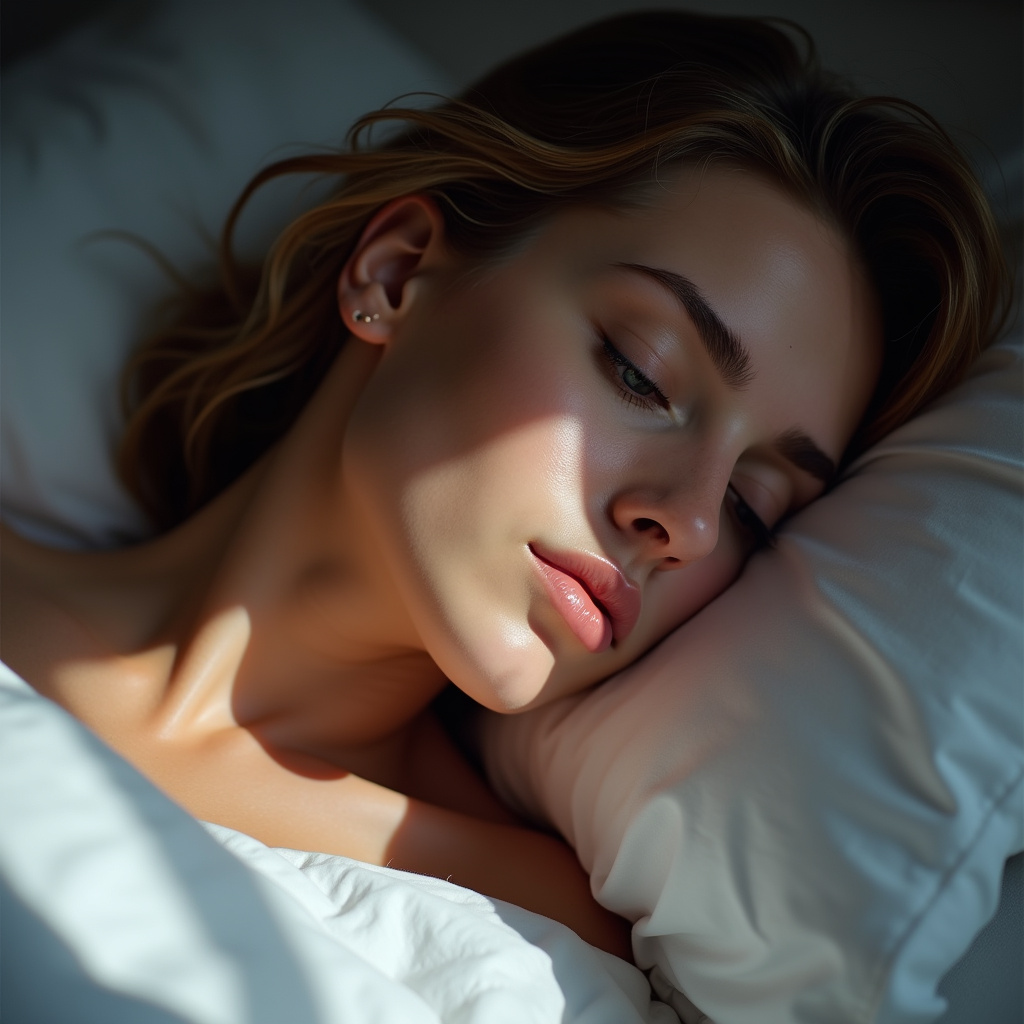
We all know sleep feels good. But most of us treat it like a luxury, not a necessity. I’ve seen this go wrong countless times—friends slathering on $80 serums while surviving on five hours of rest. It’s like watering a plant with soda. Your body does its best repair work while you’re unconscious, and skipping that shift has consequences you can literally see.
The overnight repair crew you never knew you had
While you’re dreaming about showing up to work without pants, your body is running a sophisticated restoration program. Growth hormone surges during deep sleep, triggering cell regeneration throughout your entire system. Skin cells divide faster at night than during the day. Hair follicles enter their active growth phase. Muscles repair micro-tears from yesterday’s workout. It’s a full-body renovation project, and you’re the sleeping investor who funds it.
So what happens when you shortchange that process? Your skin’s barrier weakens. Collagen production drops. Inflammation markers rise. A 2013 study from University Hospitals Case Medical Center found that poor sleepers had significantly more signs of intrinsic skin aging, including fine lines and uneven pigmentation. I find this fascinating—the researchers could actually measure accelerated aging in sleep-deprived women. You can’t out-moisturize a bad night’s rest.
Here’s the thing most articles won’t tell you: it’s not just about duration. Sleep quality matters enormously. You can clock eight hours of fragmented, shallow sleep and still wake up looking like you went ten rounds with a pillowcase full of wrinkles. The magic happens during slow-wave sleep—that deep, restorative stage when your brain waves slow to a delta rhythm. That’s when the pituitary gland releases the bulk of your daily growth hormone. Miss that stage, and you miss the repair window. Honestly, I find this part often gets ignored in wellness conversations. Everyone obsesses over REM sleep and dreams, but your skin doesn’t care about your dreams. It cares about delta waves.
Why your skin looks worse after a bad night
You’ve seen it in the mirror. Puffy eyes, dull complexion, maybe a new breakout camping on your chin. It’s not your imagination. During sleep, your body regulates cortisol—the stress hormone that, when elevated, triggers oil production and inflammation. Mess with sleep, and cortisol spikes. More oil, more inflammation, more breakouts. Blood flow to the skin increases during sleep too, giving you that morning glow. Cut the sleep short, and you cut the glow short. Is there anything more annoying than spending money on highlighters when your own biology would do it for free?
Then there’s the moisture factor. Your skin loses water overnight through a process called transepidermal water loss. But well-rested skin has a stronger barrier, so it holds onto hydration better. Sleep-deprived skin? Leaky barrier, drier surface, more visible lines. It’s a simple equation. I’ve tested this on myself during deadline weeks—my usual plump, bouncy skin turns into crepe paper by day three of four-hour sleep. No amount of hyaluronic acid can fix that. You’re fighting biology with a dropper bottle.
Your hair is paying attention too
Hair seems passive, but it’s metabolically active at the root. Hair follicles cycle through growth, rest, and shedding phases, and sleep disruption can push more follicles into the shedding phase prematurely. Stress hormones again—they’re the villains in every chapter. A 2021 review in the journal Nature and Science of Sleep linked sleep deprivation to telogen effluvium, a condition where stress pushes hair into a resting state, causing noticeable shedding a few months later. Ever wonder why you lose more hair during stressful periods? It’s not just the stress—it’s the sleep you’re losing along with it.
But it’s not all doom and follicles. Deep sleep boosts melatonin production, which isn’t just a sleep hormone—it’s also a powerful antioxidant that can protect hair follicles from oxidative stress. Some hair loss treatments even incorporate topical melatonin. So you’re basically getting a free antioxidant treatment every night, delivered by your own pineal gland. That’s a better deal than any subscription box.
The body connection: more than just energy
Sleep affects your body composition in ways that might surprise you. When you’re sleep-deprived, your body produces more ghrelin (the hunger hormone) and less leptin (the satiety hormone). You’re hungrier, less satisfied, and specifically craving high-carb, high-fat foods. A 2004 study from the University of Chicago found that sleep restriction in healthy young men led to a 24% increase in appetite, with a particular spike in cravings for calorie-dense, carbohydrate-rich snacks. That’s not willpower failing—that’s hormones hijacking your brain.
Muscle recovery? Forget about it if you’re not sleeping. Growth hormone doesn’t just benefit skin and hair; it’s essential for muscle repair and growth. Athletes know this intuitively. LeBron James reportedly sleeps 12 hours a day during the season, broken into nighttime sleep and naps. He’s not being lazy—he’s optimizing recovery. For the rest of us mere mortals, even seven hours can make a difference in how our bodies feel and perform. Have you ever noticed how a bad night’s sleep makes a simple workout feel like climbing Everest?
Practical ways to actually sleep better
Knowing all this is useless if you can’t apply it. So let’s get real. You don’t need a $3,000 smart mattress or a sensory deprivation tank. Start with consistency: go to bed and wake up at the same time every day, even on weekends. Your circadian rhythm thrives on predictability. Keep your bedroom cool—around 65°F (18°C) is ideal for most people. Darkness is non-negotiable; even a small LED light can suppress melatonin. I use a $12 sleep mask from Amazon and it’s transformed my sleep quality more than any supplement.
Watch your evening screen time. Blue light from phones and laptops delays melatonin release. If you can’t quit the late-night scrolling, at least use blue-light blocking glasses or the night mode on your device. A wind-down routine helps too: a warm shower, a few pages of a physical book, maybe some gentle stretching. It signals to your brain that the day is done. Avoid alcohol close to bedtime—it might knock you out, but it fragments your sleep and robs you of that precious deep sleep stage. You’ll wake up feeling groggy and looking puffy. Not worth it.
One last thing. If you’re doing all this and still struggling, talk to a doctor. Sleep disorders like apnea are wildly underdiagnosed, especially in women. You might think you’re sleeping eight hours, but if you’re not breathing properly, you’re not getting restorative sleep. A sleep study could change your life—and your skin, hair, and body will thank you.