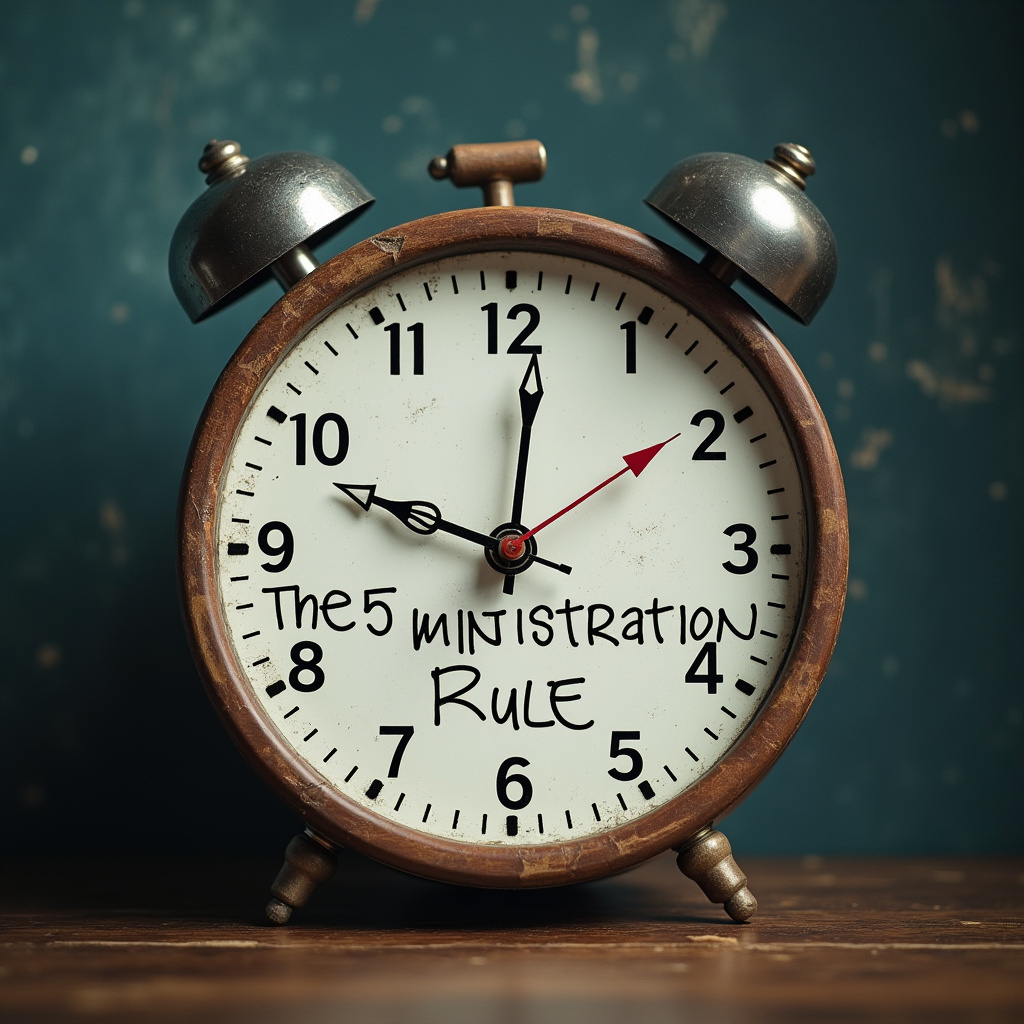
It’s 10:47 a.m. on a Tuesday. You’re staring at a blank document, that cursor blinking like a tiny, judgmental metronome. The report is due Friday. You’ve known for weeks. And yet here you are, scrolling through photos of a college acquaintance’s new puppy. We’ve all been there. Procrastination isn’t laziness—it’s a silent scream against the weight of a task that feels too big. So how do you break that spell? What if I told you the answer takes just five minutes?
The 5-Minute Rule, Explained
Here’s the deal: pick one thing you’ve been avoiding. Set a timer for five minutes. Work on it—and only it—until the alarm rings. Then stop. That’s it. No grand plans. No complicated systems. You’re not committing to finish; you’re committing to start. The rule works because it sidesteps your brain’s panic button. When a task feels overwhelming, your amygdala—the brain’s fear center—fires up, and you flee. But five minutes? That’s manageable. You can endure anything for five minutes. Even expense reports.
I first stumbled on this idea back in 2018, reading about the Pomodoro Technique’s creator, Francesco Cirillo. But here’s the part I think often gets ignored: the magic isn’t the timer. It’s the permission to quit. When you know you can stop after five minutes, the pressure evaporates. You’ll often keep going—momentum is a sneaky thing—but you don’t have to. And that’s the point. The rule isn’t about productivity hacks; it’s about tricking your brain into motion.
Why It Works When Willpower Fails
Willpower is a muscle, and it fatigues. By 3 p.m., after a day of decisions, your reserves are shot. That’s why you binge-watch shows instead of tackling your inbox. The 5-Minute Rule doesn’t rely on willpower. It’s a tiny commitment. Think of it like this: you wouldn’t try to lift 200 pounds on your first gym visit. You’d start with the bar. Same principle. Action creates motivation, not the other way around. A 2023 study in the Journal of Behavioral Decision Making found that participants who broke tasks into micro-steps were 62% more likely to complete them. Sixty-two percent! That’s not a fluke; it’s a pattern.
But here’s the question that nags at me: if it’s so simple, why don’t more people use it? Because we’re addicted to the fantasy of the perfect start. We want the clean desk, the right playlist, the ideal block of uninterrupted time. The 5-Minute Rule says: start messy. Start scared. Just start. You’ll fix it later.
Making It Stick in Real Life
So how do you actually do this without it becoming another forgotten intention? First, pick a trigger. Maybe it’s after your morning coffee or right before lunch. Pair the rule with an existing habit. Second, remove friction. If you want to write, have your document open and ready. If you need to exercise, lay out your clothes the night before. Third—and this is crucial—celebrate the five-minute win. Seriously. A mental high-five or a literal checkmark on a sticky note reinforces the behavior. I’ve got a friend, a software developer named Lena, who uses a physical kitchen timer shaped like a tomato. She swears the ticking sound keeps her honest. Me? I use my phone, but I put it across the room so I can’t ignore it.
And what about the days when even five minutes feels like a mountain? Then shrink it. Do two minutes. Or one. The goal isn’t the output; it’s the act of showing up. You’re building a bridge between intention and action, one tiny plank at a time. The rule’s beauty is its flexibility. It works for writing, cleaning, coding, even tough conversations. You’ll be amazed at how often five minutes turns into twenty. But if it doesn’t? You still moved forward. And that’s progress.
So, what’s the one thing you’ve been dodging? Set a timer. Give it five minutes. You might just surprise yourself.