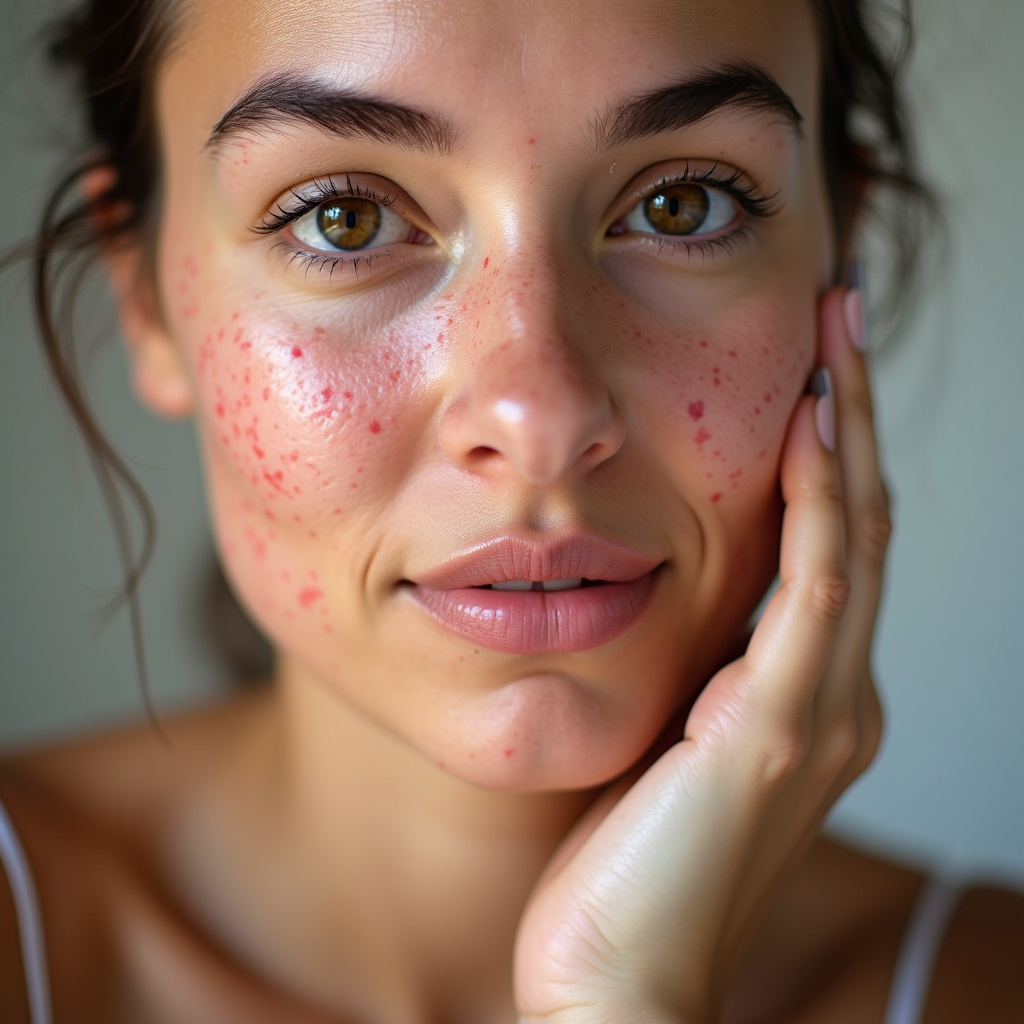
You wake up, stumble to the mirror, and there it is. A throbbing, painful bump along your jawline. Again. Hormonal acne hits differently—it’s not the scattered whiteheads of your teenage years, but deep, cystic knots that seem to have their own calendar, synced perfectly with your cycle. I’ve seen this go wrong so many times: people scrubbing their faces raw or slathering on harsh treatments meant for bacterial acne. That just makes everything angrier. But here’s the thing: your skin isn’t betraying you. It’s responding to a predictable hormonal tango, and once you understand the steps, you can cut in.
What’s actually happening under your skin?
Hormonal acne typically camps out on the lower face—jawline, chin, and sometimes the neck. Androgens like testosterone are the culprits, ramping up oil production. More oil, plus slower cell turnover, equals clogged pores. Add in the inflammation spike right before your period, and you’ve got a recipe for those tender, under-the-skin monsters. Why does it always seem to strike at the worst possible moment? That’s not just bad luck. Progesterone rises in the second half of your cycle, making your skin swell and compress pores. Then, as both estrogen and progesterone drop, testosterone dominates briefly. Perfect storm.
It’s not only about your menstrual cycle, though. Stress, diet, and even your skincare routine can nudge those androgens. Cortisol, the stress hormone, can trigger oil glands. Dairy and high-glycemic foods? They can spike insulin, which in turn revs up androgen production. A 2018 meta-analysis in the Journal of the American Academy of Dermatology found a significant link between dairy consumption and acne, especially skim milk. Honestly, I find this part often gets ignored—people focus on topical fixes and forget that skin is an inside-out organ.
Your diet: friend or frenemy?
I’m not going to tell you to cut out all joy. But small swaps can make a difference. High-fiber foods help your body flush out excess hormones. Think lentils, oats, and leafy greens. Omega-3 fatty acids, found in salmon and walnuts, are anti-inflammatory powerhouses. And zinc? Pumpkin seeds are packed with it, and zinc can help regulate oil production. Can a handful of seeds really change your skin? It’s not magic, but in a 2014 study in BioMed Research International, people with acne had significantly lower zinc levels than those with clear skin. So, maybe worth a sprinkle.
Now, sugar. It’s the elephant in the room. When you eat a high-sugar meal, your insulin spikes, and that cascade can increase androgen activity. You don’t have to go keto, but swapping white bread for whole grain, or soda for sparkling water, can flatten those insulin curves. What about dairy? If you’re breaking out along your jaw, try cutting it for three weeks. See what happens. Some people are just sensitive to the hormones in milk, even organic.
Skincare that actually works with your cycle
Here’s where most people mess up. They treat hormonal acne like any other pimple—drying it out with benzoyl peroxide or scrubbing until it’s raw. But those cysts are deep, and over-drying just damages your barrier, leading to more inflammation. Instead, think about prevention and gentle exfoliation. Retinoids are your best friend here. Adapalene, for instance, was prescription-only until 2016, when the FDA approved it for over-the-counter use. It speeds up cell turnover, keeping pores from clogging in the first place. Start slow—twice a week—and always, always moisturize.
Salicylic acid is another MVP. It’s oil-soluble, so it can dive into pores and clear out the gunk. But it won’t stop the hormonal trigger. That’s where ingredients like niacinamide come in. It regulates oil and calms inflammation. And don’t forget the humble pimple patch. Not for active cysts, but for those that have come to a head. They keep you from picking—and picking leads to scars. Why do we pick when we know it’ll make things worse? Because it feels productive. It’s not. Slap on a patch and step away from the mirror.
Stress, sleep, and the cortisol connection
You’ve heard it a million times: stress causes breakouts. But it’s not just a cliché. When you’re stressed, your adrenal glands pump out cortisol, which can directly stimulate oil glands. Plus, stress messes with your gut, and we’re learning more about the gut-skin axis every year. A 2021 study in Frontiers in Microbiology showed that people with acne have less diverse gut microbiomes. So, what can you do? You can’t quit your job or magically erase deadlines. But you can carve out tiny rituals. A ten-minute walk after lunch. A no-phone rule before bed. Sleep is when your skin repairs itself, and cortisol drops. Aim for seven hours—your skin will thank you.
And here’s a weird one: face massage. Not for sculpting, but for lymphatic drainage. Hormonal acne often comes with puffiness, and gentle massage can move stagnant fluid, reducing that swollen look. Use a gua sha tool or just your knuckles, always with oil. It won’t cure cysts, but it can make your face feel less like a battleground.
When to call in the pros
Sometimes, lifestyle and skincare aren’t enough. If you’re getting deep, painful nodules that scar, or if acne is affecting your mental health, see a dermatologist. Prescription options like spironolactone (which blocks androgen receptors) or oral contraceptives can be game-changers for women. Spironolactone has been used for decades—originally a blood pressure med, it was found to have a happy side effect: clearer skin. It’s not for everyone, and it requires monitoring, but for many, it’s a lifeline.
Don’t overlook hormonal testing, either. Sometimes, acne is a sign of conditions like PCOS, which affects up to 10% of women of reproductive age. A simple blood test can check your androgen levels. Is it worth the hassle? If you’ve tried everything else, yes. Because you deserve to know what’s happening in your own body.
Hormonal acne feels personal, like a betrayal. But it’s just biology. With the right tools—a mix of smart skincare, dietary tweaks, stress management, and professional help when needed—you can get ahead of it. It won’t disappear overnight, but it won’t stand a chance in the long run.