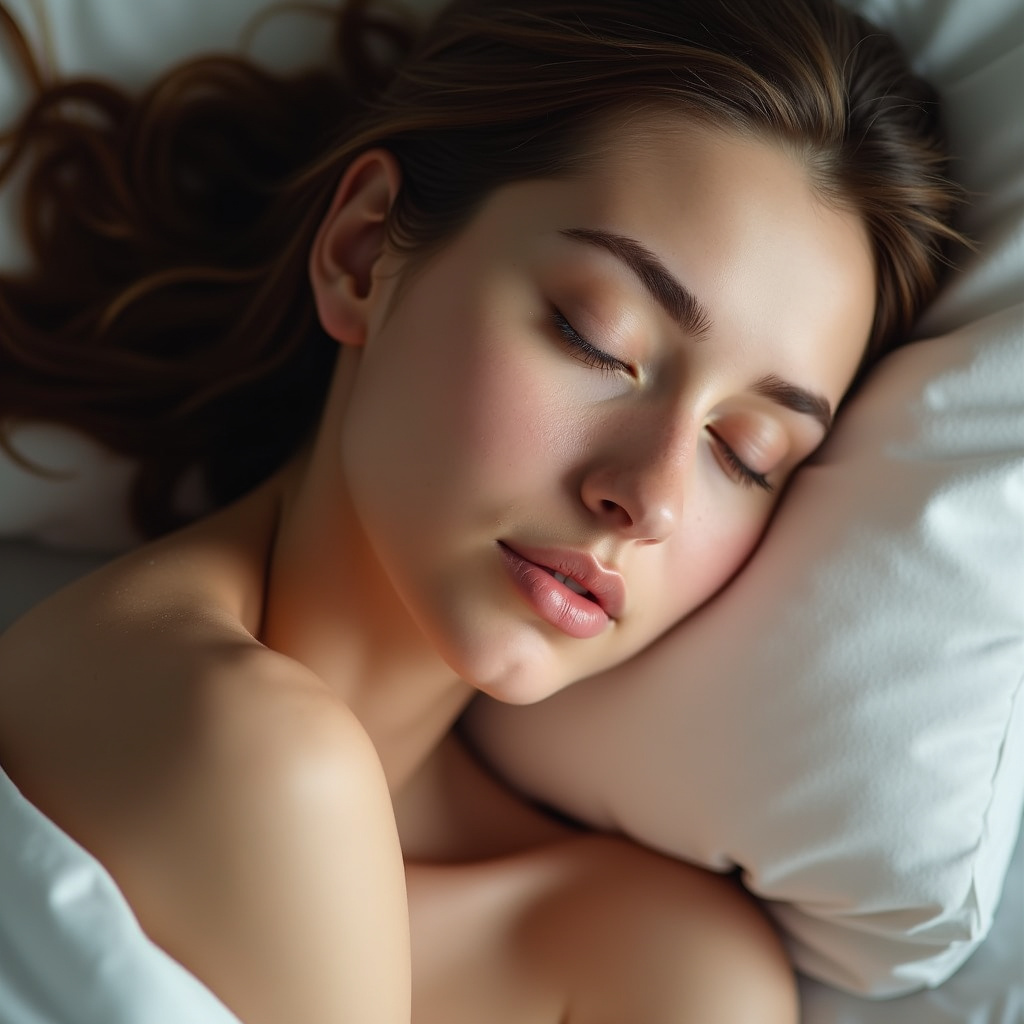
The Connection Between Sleep and Skin Health
In our fast-paced lives, sleep often takes a backseat to our daily responsibilities. However, as we step into 2026, the importance of quality sleep for skin health is more critical than ever. Many people are beginning to realize that beauty isn’t just about the products we apply topically; it’s also about the rest we give our bodies. In this article, we’ll explore why sleep is the ultimate beauty product and how it can transform your skin.
How Sleep Affects Your Skin
During sleep, our bodies undergo crucial restorative processes. Here’s how sleep impacts your skin:
- Cell Regeneration: While we sleep, our skin cells regenerate and repair. This process helps to heal blemishes, reduce inflammation, and improve overall skin texture.
- Collagen Production: Sleep boosts collagen production, which is essential for maintaining skin elasticity and preventing sagging.
- Hormonal Balance: A good night’s sleep helps regulate hormones that can affect skin conditions such as acne. Cortisol, the stress hormone, lowers during deep sleep, reducing stress-related skin issues.
The Science Behind Beauty Sleep
Beauty sleep is more than just a catchy phrase; it has scientific backing. Research shows that sleep deprivation can lead to:
- Increased Dark Circles: Lack of sleep can cause blood vessels under the eyes to dilate, leading to dark circles and puffy eyes.
- Dry Skin: Sleep deprivation can decrease your skin’s moisture levels, making it appear dull and dry.
- Accelerated Aging: Chronic lack of sleep can lead to premature aging signs such as fine lines and wrinkles.
Tips for Better Sleep and Glowing Skin
Now that we understand the connection between sleep and skin, here are some practical tips to enhance your sleep quality:
- Establish a Sleep Routine: Go to bed and wake up at the same time every day to regulate your body’s internal clock.
- Create a Relaxing Environment: Make your bedroom a sleep sanctuary. Dim the lights, reduce noise, and keep the temperature cool.
- Avoid Screens Before Bed: The blue light emitted by phones and computers can interfere with melatonin production. Try to disconnect at least an hour before bedtime.
- Mindful Practices: Engage in relaxation techniques such as meditation or deep breathing to help clear your mind and prepare for sleep.
Nighttime Skincare Routine: A Perfect Pairing
While sleep is vital, pairing it with a solid nighttime skincare routine can amplify your results. Here’s a simple routine to consider:
- Cleanse: Remove makeup and impurities with a gentle cleanser.
- Tone: Use a toner to prepare your skin for serums and moisturizers.
- Serum: Apply a nourishing serum rich in antioxidants or hyaluronic acid to hydrate and protect your skin.
- Moisturize: Lock in moisture with a quality night cream that suits your skin type.
- Eye Cream: Don’t forget to treat the delicate area around your eyes with a specialized cream.
In Conclusion
As we embrace 2026, it’s clear that sleep is one of the best beauty products available. By prioritizing rest and establishing a healthy sleep routine, you can pave the way for healthier, more radiant skin. Remember, beauty is not just skin deep; it starts from within. So, the next time you’re tempted to sacrifice sleep for productivity, think about the incredible benefits a good night’s rest can bring to your skin.