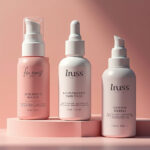
Introduction to Regenerative Skincare
As we move toward 2026, a fascinating trend is emerging in the beauty industry: regenerative skincare. This innovative approach focuses on not just treating the skin but also enhancing its natural ability to heal and rejuvenate. With a growing emphasis on sustainability, health, and wellness, regenerative skincare is set to revolutionize how we think about our skin and its care.
What is Regenerative Skincare?
Regenerative skincare refers to a collection of products and practices designed to restore the skin’s natural function and vitality. Unlike traditional skincare, which often targets specific issues like wrinkles, dryness, or acne, regenerative skincare aims to support the skin’s overall health. This can involve the use of natural ingredients, advanced technology, and holistic practices.
Key Principles of Regenerative Skincare
- Natural Ingredients: Many regenerative products utilize plant-based ingredients, which are known for their healing properties. These can include antioxidants, vitamins, and minerals that help nourish the skin.
- Focus on Healing: Instead of merely masking skin problems, regenerative skincare encourages the skin to heal itself. This means promoting cell turnover and improving skin barrier function.
- Sustainability: Regenerative skincare often aligns with eco-friendly practices, using sustainable sourcing and packaging to minimize environmental impact.
Why 2026 is the Year of Renewal
The year 2026 is poised to be a landmark year for regenerative skincare for several reasons:
1. Advances in Science and Technology
With ongoing research in dermatology and biotechnology, new techniques and ingredients are being developed that support skin regeneration. Innovations such as stem cell therapy and bioengineered ingredients are becoming more accessible, allowing for more effective skincare solutions.
2. Increased Consumer Awareness
Today, consumers are more informed than ever about the products they use. There’s a growing demand for transparency in skincare, with people seeking out brands that prioritize health and sustainability. This shift is driving companies to create regenerative products that resonate with eco-conscious consumers.
3. A Holistic Approach to Beauty
In recent years, there’s been a significant movement towards holistic wellness. This approach recognizes that beauty comes from within, and skincare is just one part of a broader health routine. Regenerative skincare aligns perfectly with this philosophy, encouraging practices like mindfulness, proper nutrition, and self-care.
Benefits of Regenerative Skincare
There are numerous benefits to adopting regenerative skincare practices:
- Improved Skin Health: By focusing on healing and renewal, individuals often see improvements in texture, tone, and overall skin vitality.
- Long-Term Results: Unlike quick fixes that may provide temporary relief, regenerative skincare promotes lasting changes by enhancing the skin’s natural processes.
- Reduced Environmental Impact: Many brands are committed to sustainable practices, which help reduce waste and promote a healthier planet.
Getting Started with Regenerative Skincare
If you’re interested in exploring regenerative skincare, here are some tips to get you started:
- Research Products: Look for brands that emphasize natural, sustainable ingredients and have a commitment to transparency.
- Prioritize Skin Health: Focus on a skincare routine that supports your skin’s natural functions, rather than just masking problems.
- Incorporate Holistic Practices: Enhance your skincare routine with healthy eating, hydration, and mindfulness practices to support overall wellness.
Conclusion
As we approach 2026, the world of skincare is on the brink of a transformative shift. Regenerative skincare is not just a trend; it represents a fundamental change in how we view skincare and beauty. By embracing this new approach, we can support our skin’s natural ability to heal and thrive, leading to healthier, more radiant skin for years to come. So, are you ready to join the renewal revolution?