Understanding SPF: What Does It Mean?
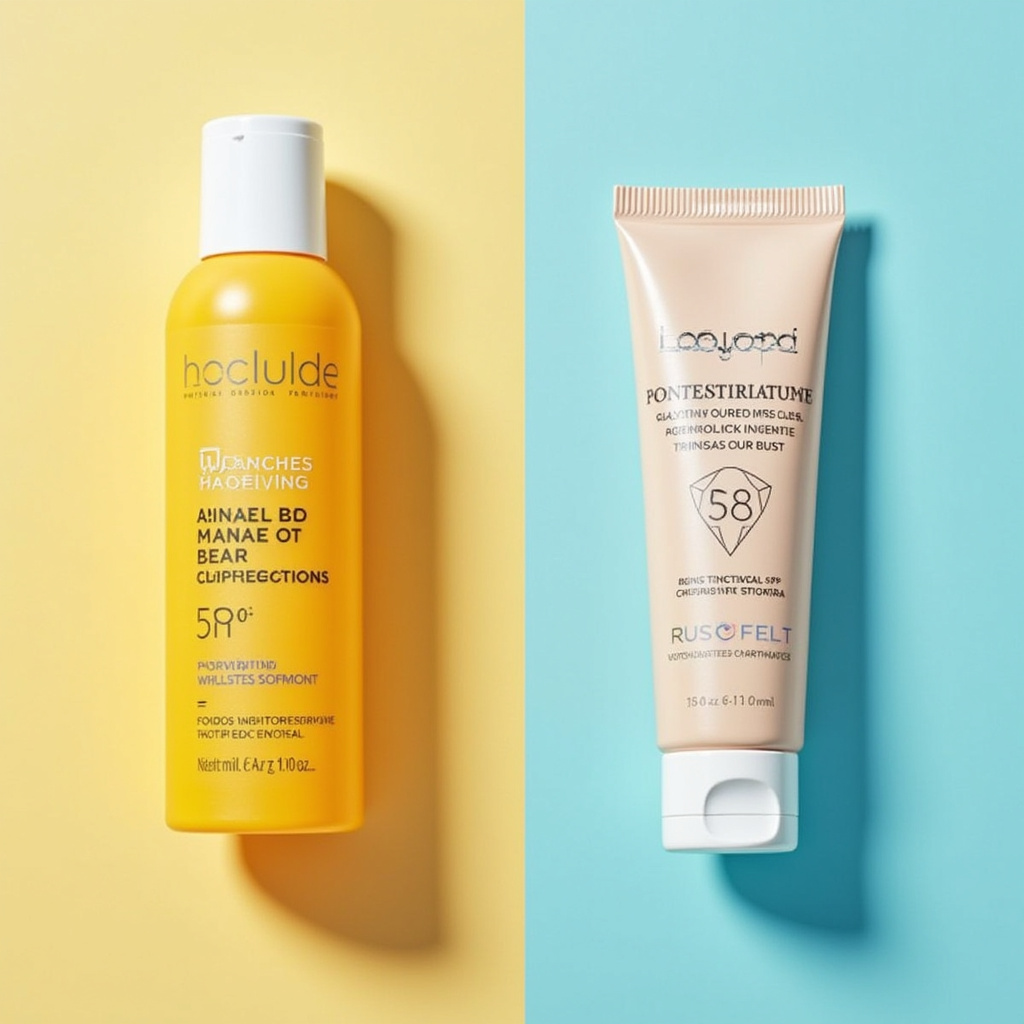
When it comes to protecting our skin from the sun, SPF (Sun Protection Factor) is a term we often hear. It indicates how well a sunscreen can protect your skin from ultraviolet (UV) rays. But with so many products available, particularly mineral and chemical sunscreens, it can be challenging to choose the right one. In this article, we will explore the differences between mineral and chemical SPF, helping you make an informed decision for your skin in 2026.
What is Mineral SPF?
Mineral sunscreen, also known as physical sunscreen, contains active mineral ingredients like zinc oxide or titanium dioxide. These minerals sit on the surface of the skin and act as a barrier, reflecting and scattering UV rays away from the skin. Here are some key points about mineral SPF:
- Broad Spectrum Protection: Mineral sunscreens provide broad-spectrum protection against both UVA and UVB rays.
- Immediate Protection: They start working immediately upon application, unlike some chemical sunscreens that require time to absorb.
- Less Irritation: Mineral sunscreens are often recommended for sensitive skin as they are less likely to cause irritation or allergic reactions.
What is Chemical SPF?
Chemical sunscreen contains organic (carbon-based) compounds that absorb UV radiation. These compounds, like avobenzone, octisalate, and octocrylene, transform UV rays into heat, releasing them from the skin. Here are some characteristics of chemical SPF:
- Lightweight Texture: Chemical sunscreens tend to have a lighter, more liquid texture, which many people find easier to apply.
- Absorption Time: They require about 20 minutes to absorb into the skin before they become effective.
- Potential Irritants: Some individuals may experience irritation or allergic reactions due to the synthetic ingredients used.
Environmental Concerns
In recent years, environmental concerns related to sunscreen have gained attention. Some chemical sunscreens have been linked to coral reef damage and harm to marine life. As a result, many places, like Hawaii and the Florida Keys, have banned certain chemical ingredients. Mineral sunscreens are generally considered more eco-friendly as they do not contain harmful chemicals that can affect underwater ecosystems.
Skin Type Considerations
When choosing between mineral and chemical SPF, consider your skin type:
- Sensitive Skin: If you have sensitive skin or conditions like rosacea or eczema, mineral sunscreen may be the better option for you.
- Oily or Acne-Prone Skin: Chemical sunscreens might be preferable since they often have a lighter feel and may not clog pores.
- Dry Skin: Both types can work well, but look for formulations that include hydrating ingredients.
Application Tips for Effective Sun Protection
Regardless of the type of sunscreen you choose, proper application is key to effective sun protection. Here are some tips:
- Apply Generously: Use about one ounce (a shot glass full) for full body coverage.
- Reapply Regularly: Reapply every two hours, or immediately after swimming or sweating.
- Don’t Forget Areas: Pay attention to often-missed areas like the ears, back of the neck, and tops of the feet.
Conclusion: Which Should You Choose?
Choosing between mineral and chemical SPF ultimately depends on your skin type, personal preference, and environmental considerations. If you have sensitive skin or are concerned about the environment, mineral sunscreen might be the better choice for you. On the other hand, if you prefer a lightweight feel and don’t experience irritation, chemical sunscreen can be effective. As we head into 2026, being informed about these options will help you protect your skin more effectively.