Understanding Keratosis Pilaris
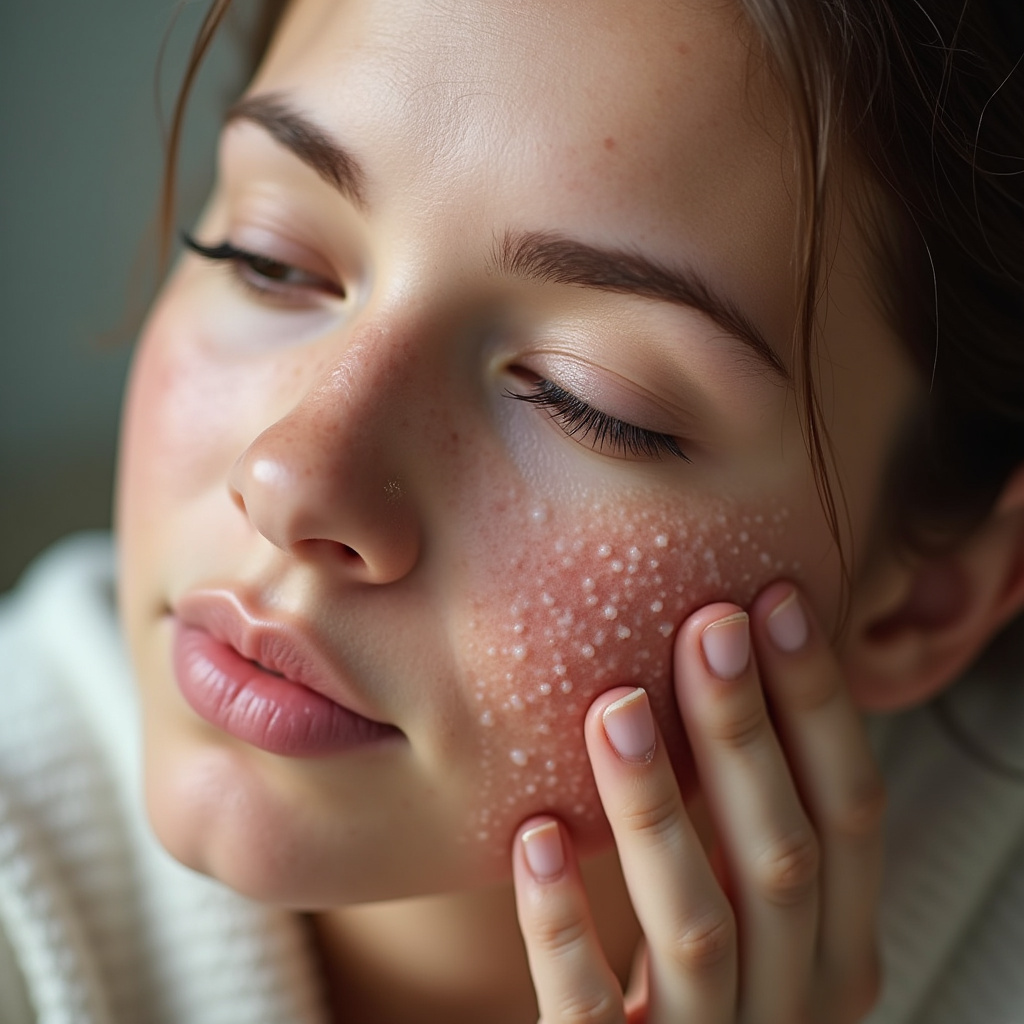
Keratosis pilaris, often referred to as KP, is a common skin condition characterized by small, rough bumps that typically appear on the arms, thighs, cheeks, and buttocks. While KP is harmless and often doesn’t require medical treatment, many individuals seek solutions to improve the appearance of their skin. As we step into 2026, let’s explore effective KP solutions that can help you achieve smoother skin.
What Causes Keratosis Pilaris?
Before diving into solutions, it’s essential to understand what causes KP. This skin condition occurs when the body produces too much keratin, a protein that protects the skin from infections and harmful substances. When keratin clogs hair follicles, it leads to the formation of those characteristic bumps. Genetics also play a significant role, as KP tends to run in families.
Effective KP Treatments and Solutions
There are several solutions available for managing keratosis pilaris, ranging from at-home remedies to professional treatments. Here are some of the most effective options:
1. Exfoliating Scrubs
- Physical Scrubs: Using a gentle exfoliating scrub can help remove dead skin cells and reduce the appearance of bumps. Look for scrubs with natural ingredients like sugar or sea salt.
- Chemical Exfoliants: Products containing alpha hydroxy acids (AHAs) or beta hydroxy acids (BHAs) can provide deeper exfoliation and are effective in unclogging pores.
2. Moisturizers with Active Ingredients
Keeping your skin moisturized is crucial for managing KP. Look for lotions or creams that contain:
- Urea: This ingredient helps to soften and hydrate the skin.
- Lactic Acid: A gentle exfoliant that also hydrates the skin, making it smoother.
- Salicylic Acid: Known for its ability to penetrate and unclog pores, it can be particularly effective for KP.
3. Prescription Treatments
If over-the-counter products don’t yield the desired results, consult a dermatologist. They might recommend:
- Topical Retinoids: These can help to promote cell turnover and prevent clogged follicles.
- Stronger Chemical Peels: Dermatologists can provide more potent chemical peels that may offer better results for stubborn KP.
4. Laser Treatments
For those looking for a more permanent solution, laser treatments have emerged as a promising option. In 2026, advancements in laser technology have made treatments faster and more effective:
- Fractional Laser Therapy: This targets specific areas of skin and helps to reduce redness and texture.
- Pulsed Dye Laser: Effective for reducing inflammation and redness associated with KP.
At-Home Care Tips
In addition to treatments, adopting a consistent skincare routine can significantly improve the appearance of KP:
- **Shower Regularly:** Use warm water instead of hot to prevent drying out your skin.
- **Pat Dry:** Avoid rubbing your skin harshly after showering; instead, gently pat it dry.
- **Moisturize Daily:** Apply a suitable moisturizer immediately after showering to lock in moisture.
- **Stay Hydrated:** Drinking plenty of water can help keep your skin hydrated from within.
Conclusion
While keratosis pilaris is a common and harmless condition, it can be frustrating for those who wish to improve their skin’s texture. With the right combination of at-home care, active skincare ingredients, and professional treatments, achieving smoother skin is possible. Whether you prefer DIY solutions or are considering more advanced treatments, 2026 has brought forth a range of effective options to help you manage your KP. Remember, patience is key, and consistency in your skincare routine will lead to the best results.