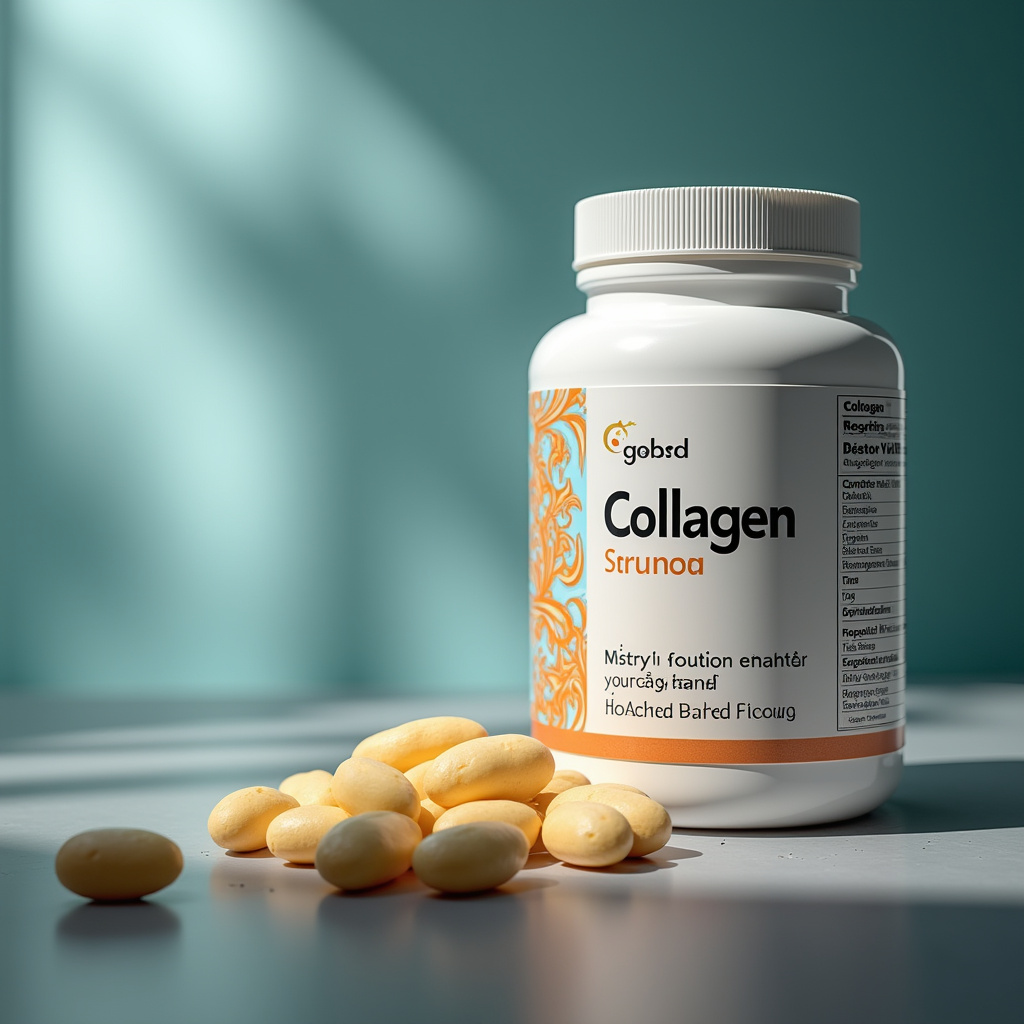
Introduction to Collagen Supplements
In recent years, collagen supplements have gained immense popularity. Marketed as a miracle solution for youthful skin, joint health, and overall vitality, these products have captured the attention of many. As we approach 2026, it’s time to ask: are collagen supplements truly backed by science, or are they just another health fad?
What is Collagen?
Collagen is the most abundant protein in our bodies, making up about 30% of our total protein content. It is a key component of our skin, bones, muscles, and connective tissues. As we age, our body’s natural collagen production decreases, leading to signs of aging like wrinkles, sagging skin, and joint pain. This has prompted many to turn to collagen supplements as a way to replenish what our bodies lose over time.
Types of Collagen Supplements
Collagen supplements come in various forms, each with its own unique benefits:
- Hydrolyzed Collagen: This form is broken down into smaller peptides, making it easier for the body to absorb.
- Collagen Peptides: Similar to hydrolyzed collagen, these are small chains of amino acids that can be easily digested.
- Gelatin: A cooked form of collagen, often used in desserts, that still retains some of its beneficial properties.
- Collagen-rich Foods: While not supplements in the traditional sense, foods like bone broth are rich in collagen and can help boost intake.
Scientific Evidence Supporting Collagen Supplements
As of 2026, several studies have emerged, providing insights into the effectiveness of collagen supplements:
- Skin Health: Research shows that collagen peptides can improve skin elasticity and hydration, leading to a more youthful appearance.
- Joint Health: Some studies indicate that collagen supplementation may reduce joint pain and improve overall joint function, especially in athletes and older adults.
- Bone Density: Early research suggests that collagen supplements may help increase bone mineral density, potentially reducing the risk of osteoporosis.
- Muscle Mass: There is evidence that collagen can help increase muscle mass when combined with resistance training.
Are There Any Risks?
While collagen supplements are generally considered safe for most people, there are a few considerations to keep in mind:
- Allergies: Some collagen supplements are derived from fish or shellfish, which may pose a risk for individuals with allergies.
- Quality Control: Not all supplements are created equal. It’s important to choose products from reputable brands that undergo third-party testing.
- Digestive Issues: Some individuals may experience digestive discomfort when starting collagen supplements.
Collagen Supplements: Hype or Reality?
As we delve into the evidence, it becomes clear that collagen supplements are not just hype. Scientific studies suggest they can offer real benefits for skin health, joint function, and even muscle mass. However, it’s essential to approach these supplements with realistic expectations. They are not a magic bullet but rather a potential addition to a healthy lifestyle that includes a balanced diet and regular exercise.
Conclusion: Making an Informed Choice
As we look towards 2026 and beyond, collagen supplements appear to be a valuable option for those seeking to enhance their health and wellness. With growing scientific support, it’s clear there is more than just hype surrounding these products. However, it’s crucial to choose high-quality supplements and consult with a healthcare professional before starting any new regimen. Remember, a holistic approach to health is always the best path forward.