Introduction to the Mannequin Trend
As we step into 2026, the world of fashion and beauty is witnessing a remarkable blend of technology and aesthetics. One of the most intriguing trends emerging this year is the rise of AI-filtered skin mannequins. These innovative figures are not just ordinary displays; they represent a new era of retail and beauty standards that reflect our digital lives. In this article, we will explore what AI-filtered skin mannequins are, how they are changing the retail landscape, and what this means for consumers.
What Are AI-Filtered Skin Mannequins?
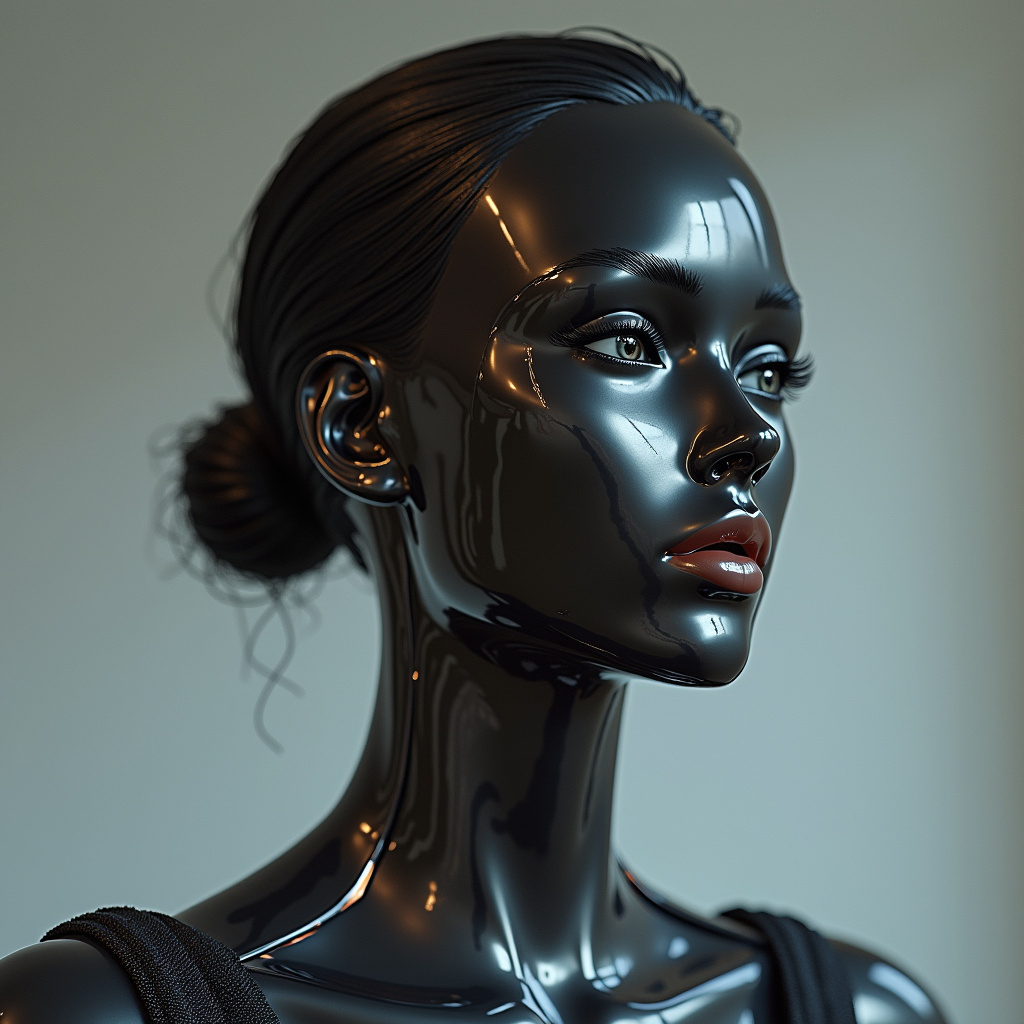
AI-filtered skin mannequins are lifelike displays designed to mimic the flawless skin often seen in digital media. Utilizing advanced artificial intelligence algorithms, these mannequins showcase a variety of skin tones and textures, enhanced to represent the idealized beauty standards of today. The technology behind these mannequins can adjust their appearance in real-time, showcasing different makeup looks, skin conditions, and even seasonal trends.
The Technology Behind the Trend
At the heart of this trend lies sophisticated AI technology. Here’s how it works:
- Facial Recognition: The mannequins use facial recognition to assess the lighting and surroundings, adjusting their appearance to ensure they look captivating in various environments.
- Skin Analysis: The AI can analyze different skin types and tones, providing a range of options from porcelain to deep ebony, making them more inclusive.
- Real-Time Adjustments: As shoppers interact with the mannequins, the AI can modify their looks, showcasing different styles or seasonal colors.
This technology not only enhances the shopping experience but also allows brands to present their products in a more appealing and relatable manner.
The Impact on Retail and Marketing
The implementation of AI-filtered skin mannequins is transforming retail environments. Here are some ways this trend is influencing the market:
- Enhanced Customer Engagement: Shoppers are drawn to the interactive experience that these mannequins provide, making them more likely to engage with products.
- Targeted Marketing: Brands can tailor their marketing strategies based on the demographics of the audience observing the mannequins, ensuring they cater to various beauty standards and preferences.
- Increased Sales: With more appealing displays, retailers are noticing an uptick in sales, especially in beauty and skincare products that align with the look of the mannequins.
Overall, this trend is fostering a more personalized shopping experience, which is increasingly important in today’s market.
Redefining Beauty Standards
One of the most significant implications of AI-filtered skin mannequins is the potential to redefine beauty standards. Traditional mannequins often perpetuate narrow definitions of beauty, but AI technology allows for a more diverse and inclusive representation. Here’s how:
- Celebrating Diversity: With the ability to showcase a variety of skin tones and textures, these mannequins promote a broader understanding of beauty.
- Empowering Consumers: By seeing representations of themselves in retail spaces, consumers can feel more validated and empowered in their beauty choices.
- Challenging Norms: The trend encourages brands to challenge conventional beauty norms, fostering a culture of acceptance and self-love.
This shift is essential in creating a more inclusive society where everyone feels represented and valued.
Critiques and Considerations
While the AI-filtered skin mannequin trend has many benefits, it is not without critiques. Some concerns include:
- Unrealistic Expectations: Despite the inclusivity, there is a risk that these mannequins may still promote unrealistic beauty ideals.
- Consumer Confusion: The disparity between a mannequin’s appearance and real human skin can lead to confusion and dissatisfaction among consumers.
- Dependence on Technology: Relying too heavily on AI can detract from the natural beauty of individuals, making them feel less confident in their skin.
As we embrace this trend, it is crucial for brands and consumers alike to foster conversations about realistic beauty and self-acceptance.
Conclusion: The Future of Fashion and Beauty
The AI-filtered skin mannequin trend of 2026 represents a fascinating intersection of technology, beauty, and retail. As these mannequins become more prevalent, they are redefining how we perceive beauty and engage with products. While there are challenges to navigate, the potential for increased inclusivity and engagement in the beauty industry is promising. As we move forward, it will be essential to maintain a balanced perspective on beauty standards and promote acceptance in all its forms.